Your Second Account Is More Honest Than You Are
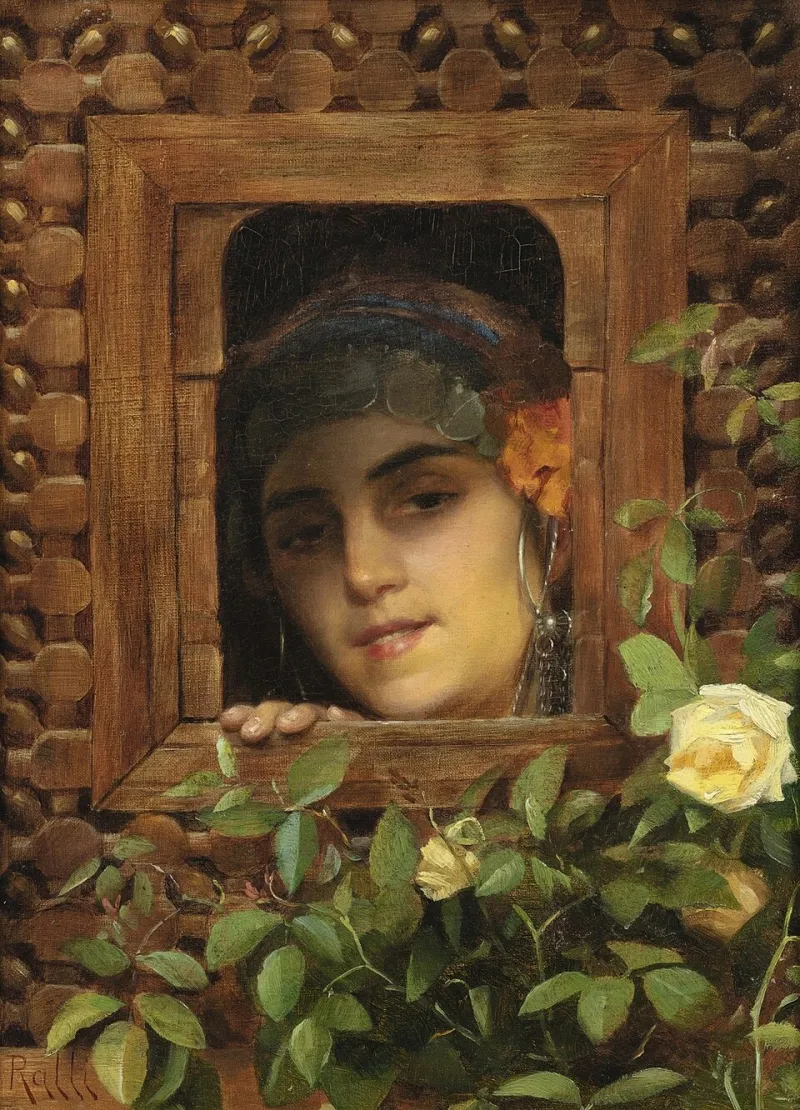
Photo: Théodore Ralli, Public domain, via Wikimedia Commons
Somewhere in your phone, there's probably an account you wouldn't want your boss to find. Maybe it's a private page with 23 followers. Maybe it's a spam account where you repost memes and post blurry photos of your friends at 1 a.m. Maybe you don't have one — but you've definitely been invited to follow one.
Welcome to the internet's open secret: the second account economy.
The Rise of the Sneaky Profile
Ask around and the numbers are startling. Surveys have suggested that a huge chunk of Gen Z and millennial social media users operate more than one account, and many run three or more. There's the main — polished, filtered, employer-safe. Then there's everything else: the private account for real friends, the spam account for chaos, the anonymous page for opinions that would start a group text war.
"My main feed is basically a LinkedIn post with better lighting," says Dana, a 27-year-old nurse in Ohio who asked to use only her first name. Her real life lives on a private account with fewer than 50 followers. "That's where I complain about work and post my dog. The other one is for my mom and my old coworkers."
She's not embarrassed. If anything, she sounds relieved.
Why We're All Leading Double Lives
The psychology here isn't complicated once you say it out loud. The main feed stopped being a place to hang out and became a place to be perceived. Every post is a negotiation: Who might see this? What will they think? Could this screenshot travel?
So people did what people do. They built back doors.
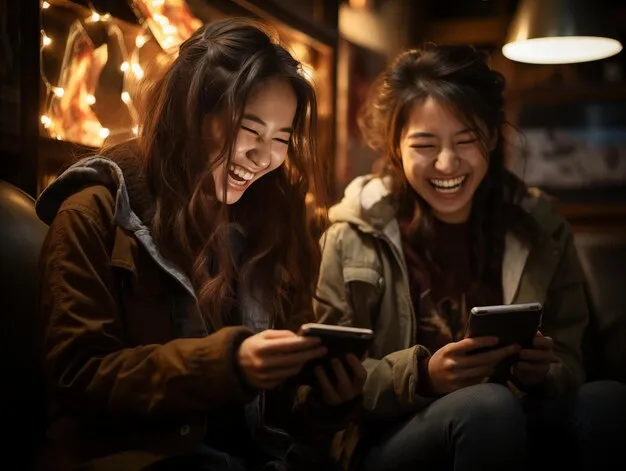
The second account isn't really about hiding — it's about reclaiming an audience you can trust. A private page with your actual friends functions like the group chat with a photo library attached. You can be unfiltered, unfunny, unimpressive. Nobody's measuring engagement. Nobody's auditioning.
Researchers who study self-presentation online have a name for this: audience segregation. It's the same reason you talk differently at a wedding than at a dive bar. The second account just builds the dive bar.
The Main Feed Became a Résumé
Here's the uncomfortable part: for a lot of people, the main account isn't fun anymore. It's maintenance. A corporate-adjacent highlight reel that exists mostly so that when someone Googles you, something reasonable comes up.
"I haven't genuinely enjoyed posting on my main in years," admits Marcus, a 34-year-old in Atlanta who works in sales. "But if I delete it, I look weird at work. So it sits there like a digital houseplant I occasionally water."
That's the quiet trade millions have made: keep the public page as a buffer, move the actual living somewhere smaller. The result is an internet that looks vibrant from the outside and feels hollow from the inside. Engagement is up. Authenticity packed its bags and moved to a finsta.
The People Running Multiple Personalities
Talk to enough of these double-lifers and you start hearing a pattern. The second accounts aren't just for venting — they're where creativity actually happens.
A teacher in Texas runs an anonymous baking page with a small but devoted following. A retiree in Florida posts bird photography on a burner account because, in his words, "my grandkids don't need to see 400 photos of a heron." A college student in Chicago has a spam account she updates hourly and a main she updates maybe twice a year.
"The spam account is me," she says. "The main is a character I play."
Flip that sentence around and you have a pretty accurate diagnosis of modern social media. The performance moved to the front of the house, and the person moved backstage.
So Is This Healthy?
The easy take is that second accounts are duplicitous. The more honest take is that they're a coping mechanism — and maybe a smart one. Splitting your online life into a public layer and a private layer is arguably more sustainable than pretending one feed can serve every audience at once.
The concerning version is different: if the internet's public square has become so hostile to casual self-expression that everyone flees to rooms with the doors locked, we all lose something. The weird posts, the half-baked opinions, the unfiltered joy — that's the stuff that made social media feel alive in the first place. When it all goes underground, the main feed gets even more polished, which pushes even more people underground.
It's a doom loop with good lighting.
Long Live the Finsta
For now, the second account isn't going anywhere. If anything, it's become a rite of passage — the digital equivalent of getting your own apartment after living with roommates. A little space of your own, a limited guest list, no performance required.
Maybe the lesson isn't that we've become sneaky. Maybe it's that we finally figured out what the main feed was for all along: not connection, but presentation. And presentation, it turns out, is a terrible place to live.
So post the ugly photo for your 40 closest people. Complain about your job where only your real friends can see. Keep the résumé page if you have to — just don't mistake it for your life.