We memed Reality TV to Death, and Honestly, We Deserve What's Left
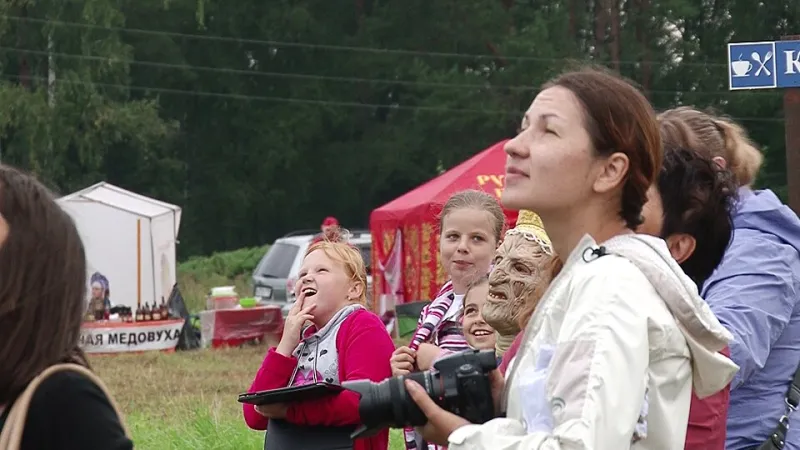
Photo: Max Kuznetsov (photographer), Inna Ismailova (producer), CC BY-SA 4.0, via Wikimedia Commons
Here's an uncomfortable truth: reality TV isn't broken because producers got greedier or casting got lazier. It's broken because we, the audience, got exactly what we spent twenty years demanding. And now that we have it, the magic is gone.
When the Fourth Wall Existed
There was a time — dimly remembered, fondly remembered — when reality contestants seemed genuinely unaware of how they'd be received. The early seasons of Survivor, The Real World, even American Idol caught people in something closer to a raw state. They schemed and cried and made fools of themselves without a fully formed theory of their own narrative arc.
That unknowing was the whole product. The drama felt discovered, not manufactured, because the people inside it couldn't see the shape of the story they were in. Watching felt a little like eavesdropping. And eavesdropping is only delicious when the talkers don't know you're there.
The Feedback Loop Ate the Show
Then social media handed the audience a direct line to the cast — and the cast started answering.
First it was harmless. Contestants live-tweeted their own episodes. Fans made memes; cast members responded with the memes back. Cute, communal, harmless. But the loop tightened. Producers began casting people who already had followings. Editing choices started bending toward what trended on Twitter that week. Casting calls started asking about your TikTok presence before your personality.
Today's reality star is something genuinely new: a person who enters the house already knowing their fanbase, their haters, their edit history, and their merch strategy. They aren't discovering a character mid-season — they arrived with one, fully costumed. Watch any current franchise and you'll see contestants performing for the fandom in real time, delivering confessional-ready one-liners to cameras they know are rolling, managing their brand from inside the show. The fourth wall isn't broken. It's been demolished, hauled away, and replaced with a ring light.
We Built This Monster, Episode by Episode
It's worth sitting with how this happened. Every time we demanded a villain be punished, producers learned villain arcs are content. Every time we celebrated a contestant who was 'in on the joke,' we taught future contestants that self-awareness is armor. Every meme we made taught the next cast exactly which facial expressions would become GIFs.
The audience wanted power, and reality TV — the most obedient genre on television — gave it to us. The result is shows that feel less like life caught on tape and more like an interactive product where the humans have read the reviews of the previous humans.
What Comes After Awareness
So is the genre doomed? Not necessarily — but the next great reality hit probably can't look like the last one.
The obvious escape routes are already being tested. Slower formats with no live audience feedback, where nothing trends in real time. International formats that air on delay so contestants can't game the reception. Shows built around competence rather than conflict — the quiet success of shows like The Traitors and the entire 'cozy competition' wave suggests audiences may actually be tired of manufactured villainy. There's even a case for going backward: smaller casts, longer timelines, less editing, more boredom. Let people be unwatchable for a while and something real might slip through.
The harder truth is that we might need to change too. The genre can only be as honest as the audience demands. If we want people caught unaware, we have to agree not to punish them for what we catch.
Until then, enjoy the current product for what it is: a genre that used to be a window, now performing as a mirror — with all of us holding the wrench, still wondering why nothing runs right.