The Soft Quit Is Eating America's Social Life — and Nobody Wants to Talk About It
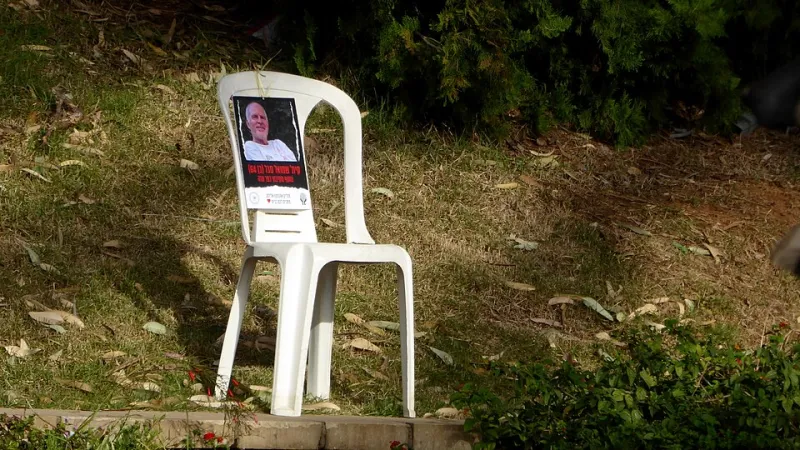
Photo: Chenspec, CC BY-SA 4.0, via Wikimedia Commons
I know at least six people who have quit something in the last three months. Not one of them told anyone they were doing it.
A friend of mine quietly dropped out of a fantasy football league he'd been in for nine years. He didn't say anything — he just didn't set his lineup, didn't respond to the trade poll, and let the season swallow him. Another friend stopped going to book club after four years and now claims a scheduling conflict she will never, ever elaborate on. A third let a side hustle she'd been building for two years simply... stop. No announcement post. No reflection thread. Nothing.
This is the soft quit, and I'd argue it's become America's most common form of self-care. We just don't want to name it out loud.
What Exactly Is a Soft Quit?
The hard quit used to be the norm. You sent the email. You made the call. You told the group you were out. It was awkward, but it was honest, and — crucially — it gave everyone else information. The soft quit skips all of that. You simply fade. You stop showing up, stop responding, stop participating, and let the absence speak for itself. Or more accurately, let it not speak at all.
The motivations are usually genuine. People are exhausted. Calendars are overfull. The fantasy league stopped being fun two seasons ago and became a chore with a draft party. The book club became a homework assignment with wine. The side hustle became a second job that paid in exposure to nobody. Quietly letting go is, in a real sense, an act of self-preservation. I don't want to trash it entirely. Sometimes the soft quit is the correct move.
But here's what bothers me: we've built a culture where leaving is always done in silence, and silence has a cost that lands on somebody else.
The Ghost Side of the Ghost Quit
Every soft quit creates a ghost. Someone in the fantasy league has to decide what to do with the empty roster. Someone in the book club keeps setting out the extra chair. The group chat admin — and there is always an admin — has to wonder whether they did something wrong, because they'll never find out that they didn't.
The soft quit protects the quitter and taxes everyone left behind with ambiguity. And ambiguity, it turns out, is corrosive. People don't resent being left. They resent not knowing why. A hard quit closes a loop. A soft quit leaves it spinning forever.
There's also something a little dishonest in it, if we're being real with ourselves. The soft quit isn't just about protecting our own energy — it's about avoiding the discomfort of a five-minute conversation. We've decided that a moment of awkwardness is a bigger price than months of confusion for people we supposedly care about. That's not self-care. That's conflict avoidance with a wellness vocabulary.
What We Lose When Leaving Is Always Silent
Here's the deeper worry: if every exit is silent, we lose the information that makes communities work. We never learn what actually drove people away — was it the time commitment? The one loud guy? The fact that the whole thing stopped being fun? — so we never fix it. Groups decay without feedback, and the soft quit is feedback withheld.
And on a personal level, we lose the practice of honest endings. Saying "this isn't working for me anymore, and I wish you all well" is a skill. Like every skill, it atrophies when unused. A generation that only knows how to fade out is a generation that gets worse at every goodbye, including the ones that matter.
So here's my modest proposal: quit things. Genuinely. Your time is finite and dropping what no longer serves you is healthy. But quit like an adult. Send the message. Make the call. Take the awkwardness on the chin. The people you leave will recover from being told the truth. They may never recover from being left to guess.