Before the DJ Even Spins It: How TikTok Is Writing the Pop Music Playbook
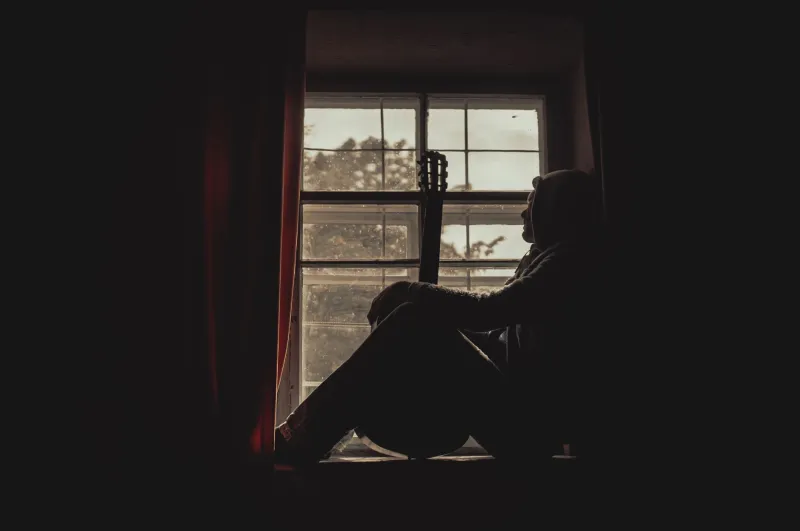
Somewhere in a Nashville apartment, a 22-year-old named Mara posts a voice memo she recorded on her phone. No studio polish, no publicist, no label backing. Just her voice, a guitar riff, and a hook that lodges itself in the brain like a splinter. Within 72 hours, 4 million people have used that audio as the backdrop for their own videos. By the end of the month, she has a bidding war on her hands.
This isn't a fairy tale. It's Tuesday in the music industry right now.
TikTok has fundamentally rewritten the rules of who gets to be famous and how fast it happens. And the ripple effects are being felt everywhere — from Spotify dashboards to the Billboard Hot 100 to the boardrooms of labels that once held all the cards.
The 15-Second Audition
For decades, breaking into mainstream music meant navigating a labyrinth of gatekeepers: talent scouts, radio program directors, playlist curators, and label executives who decided what the public would hear. That system wasn't just slow — it was expensive, exclusive, and, critics would argue, deeply homogenized.
TikTok blew the door off those hinges.
The platform's algorithm doesn't care about your connections or your promo budget. It cares about engagement — whether people watch, replay, stitch, duet, or use your sound. That last behavior is the key. When a piece of audio gets repurposed across thousands of user-generated videos, it creates a feedback loop of exposure that no traditional marketing campaign can replicate organically.
"Radio still matters, but it's now a confirmation, not a discovery mechanism," says one independent music consultant who works with emerging artists in Los Angeles. "By the time a song hits heavy rotation on Top 40, TikTok users have already been living with it for three months."
The numbers back that up. Songs like Olivia Rodrigo's early breakout, Ice Spice's rise, and the viral resurrection of Kate Bush's "Running Up That Hill" all followed a pattern: TikTok traction preceded and often caused their mainstream chart climbs. The platform essentially A&R'd those moments into existence.
Unknown Artists, Overnight Streaming Empires
What makes the current moment genuinely different from the YouTube era — which also promised democratization — is the speed and the monetization pathway. A viral YouTube video in 2012 might get you a million views and a minor media moment. A viral TikTok sound in 2024 can translate into hundreds of thousands of Spotify streams per day, which means real money and real industry attention, fast.
Artists who are navigating this landscape describe it as exhilarating and disorienting in equal measure. One indie pop artist based in Atlanta, who asked to be identified only by her artist name Cleo V, described the experience of going viral as "like someone turned on a firehose and aimed it at your life."
"I had maybe 300 followers when a clip from one of my songs got picked up by a beauty influencer," she explained. "Within two weeks I had label reps in my DMs. It was incredible, but also — I hadn't even finished writing the album yet."
That tension — between organic discovery and the industry's hunger to commodify it — is one of the defining fault lines in the current music landscape.
The Labels Are Listening (Whether They Admit It or Not)
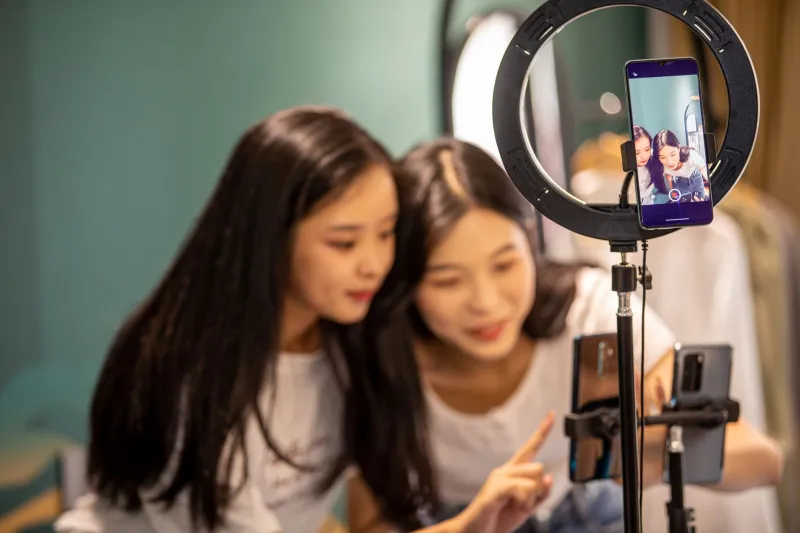
Major labels have adapted, even if some did so reluctantly. Most now employ social media tracking teams that monitor TikTok trends in real time, looking for sounds gaining traction before they peak. Some have even started seeding tracks strategically — working with influencers to post videos using an unreleased song, hoping to manufacture virality before the official release.
The irony isn't lost on anyone. The platform that was supposed to level the playing field is now being gamed by the same industry it disrupted.
Still, independent artists retain a genuine edge in authenticity. TikTok's user base has a finely tuned radar for content that feels manufactured, and a forced viral moment often dies as quickly as it ignites. The sounds that truly take off tend to be the ones that feel accidental — raw, weird, emotionally resonant, or just impossibly catchy in ways that defy easy explanation.
What Radio Is Doing About All This
Ask a radio programmer in 2025 whether TikTok has changed their job, and you'll get a complicated answer. On one hand, the platform has become an invaluable research tool — a real-time pulse check on what audiences are already responding to. On the other, it's compressed the timeline so dramatically that by the time a song is "safe" to add to a playlist, the cultural moment may have already passed.
"We're no longer breaking artists," one program director at a major market pop station admitted candidly in an industry panel last year. "We're ratifying them."
For listeners, that shift has largely been positive. Fresher sounds, more diverse voices, and a faster churn of cultural moments have kept mainstream music feeling alive in ways it sometimes didn't in the late 2000s and early 2010s. The downside is a certain disposability — songs that burn bright for three weeks and then vanish, leaving artists scrambling to replicate lightning in a bottle.
The Artist's Dilemma: Authenticity vs. Algorithm
For every emerging musician who has benefited from TikTok's reach, there's another who feels trapped by it. The pressure to constantly produce short-form content, to be a creator and an artist simultaneously, is a real and growing source of burnout in the industry.
"I got into music because I love making music," said one singer-songwriter from Austin who has amassed a significant TikTok following. "Now half my week is figuring out what kind of content will perform. That's not why I picked up a guitar."
The platform's power is real, but it comes with demands that didn't exist a decade ago. The artists who seem to thrive long-term are those who find a way to use TikTok as a megaphone for their actual creative vision, rather than bending their vision to fit the format.
The Sound of What's Next
What's clear is that the relationship between social media virality and mainstream music success isn't a trend — it's the new infrastructure. The artists, labels, and industry players who understand that aren't just surviving the shift; they're defining what pop culture sounds like for the rest of us.
The next chart-topper might be recording in a bedroom right now, completely unaware that a clip they're about to post is going to change everything. That's both the beautiful and slightly chaotic promise of where music discovery lives today.
Radio will catch up eventually. It always does. But by then, TikTok will have already moved on.