The Hobby Graveyard: Why We Keep Abandoning the Things We Love — And How to Dig Them Back Up
Let's do a quick inventory. Think about something you used to love — really love — that you haven't touched in months. Maybe it's knitting, or hiking, or playing chess, or writing bad poetry in a journal you kept under your mattress in college. At some point, that thing gave you genuine joy. And then, gradually or suddenly, it just... stopped happening.
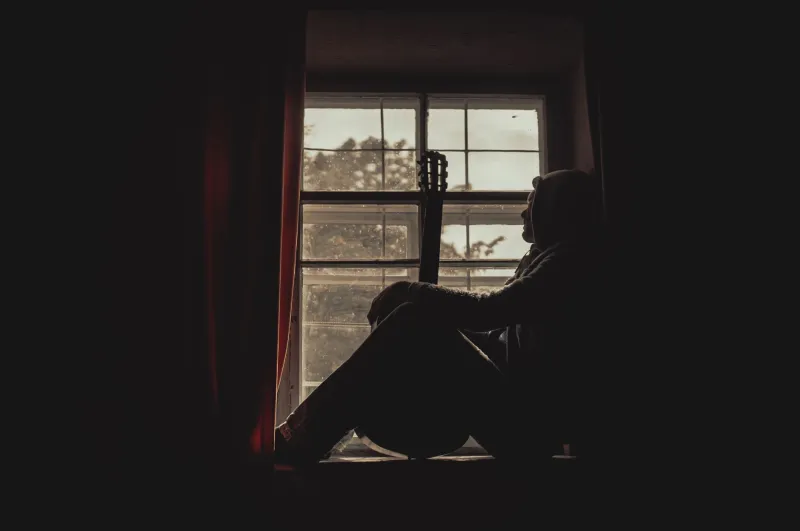
You're in very good company. Across the country, people are quietly walking away from hobbies and creative pursuits they once considered central to who they are. It's not dramatic. There's no breakup moment. The guitar just sits there a little longer each week until one day you realize you haven't played in eight months.
Psychologists, lifestyle researchers, and frankly a whole lot of regular people scrolling Reddit at midnight have started paying attention to this pattern. And what they're finding is both totally understandable and kind of alarming.
When "Me Time" Becomes Another Job
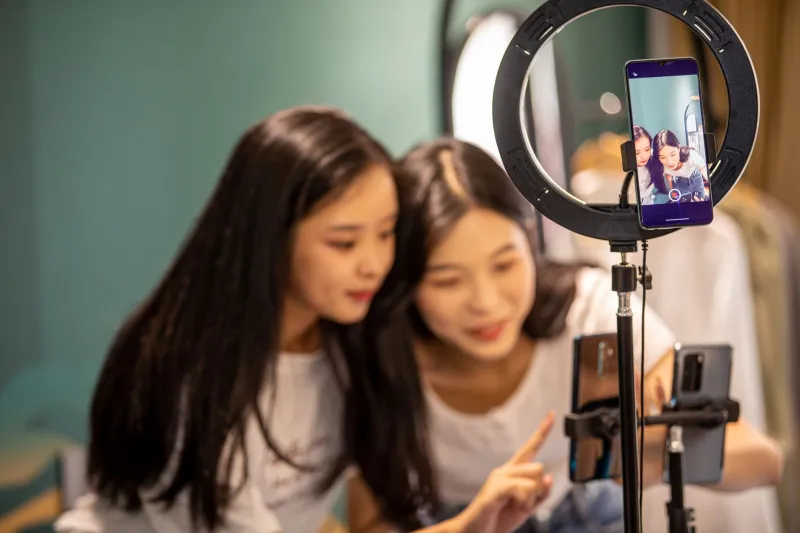
Here's the cruel irony at the center of this whole thing: hobbies are supposed to be the antidote to burnout. They're the part of life that exists outside of deadlines and performance reviews and the relentless grind of adult responsibility. But somewhere along the way, a lot of us turned our leisure activities into mini-careers — complete with metrics, audiences, and self-imposed pressure to improve constantly.
Blame Instagram. Blame YouTube tutorials. Blame the very human tendency to compare ourselves to whoever seems to be doing the thing better than us.
"I used to paint just for myself," said Dani, a 34-year-old project manager from Chicago who spoke with us about her experience. "Then I started posting my work online and suddenly I was looking at other artists' pages and thinking, why am I even bothering? My stuff looks amateur compared to theirs. So I just... stopped."
This is a story psychologists recognize immediately. It has a name: social comparison theory, first outlined by Leon Festinger in the 1950s, holds that humans naturally evaluate themselves against others. Social media has essentially turbocharged that process, giving us an infinite feed of people who appear to be crushing it at the exact things we're struggling with.
The result? A lot of abandoned easels.
The Perfectionism Trap
Burnout and comparison culture are the big obvious culprits, but there's a sneakier villain in this story: perfectionism. And it tends to hit hardest at people who were once genuinely good at something.
When you're a beginner, everything is progress. Every awkward chord you learn on guitar is a win. But once you've developed real skill, the gap between where you are and where you want to be can feel paralyzing rather than motivating. The joy of discovery gets replaced by the pressure of expectation — most of it self-imposed.
"There's a phenomenon we sometimes call the 'intermediate plateau,'" explained one behavioral psychologist who works with creative professionals. "You've gotten good enough that your taste exceeds your ability, and every session reminds you of that gap. A lot of people respond by avoiding the activity altogether rather than sitting with that discomfort."
Ira Glass famously talked about this in a different context — the gap between taste and ability in creative work. But the principle applies just as much to the weekend runner who used to love her Saturday long runs and now dreads them because she's not getting faster.
Life Just Gets in the Way (And That's Also Real)
Not everything is a psychological drama, of course. Sometimes the explanation is simpler and more forgiving: life piles up. A new job, a baby, a cross-country move, a health scare — any of these can knock a hobby out of your routine, and once it's gone, re-entry feels harder than it actually is.
Marcus, a 41-year-old teacher from Atlanta, used to be an avid amateur photographer. "I'd go out on weekends specifically to shoot — parks, street photography, whatever. Then my dad got sick and I was flying back to see him a lot, and the camera just stayed in the bag. That was three years ago. I keep meaning to get back to it."
That phrase — "I keep meaning to" — might be the most common sentence in the hobby graveyard. It's not indifference. It's deferred intention, which is different. The love is still there. The habit just broke.
So How Do You Actually Get It Back?
The good news, genuinely, is that reigniting a dormant passion is more accessible than most people think. The bad news is that it requires doing something that feels counterintuitive: lowering the bar dramatically and embracing being bad at it again.
Start smaller than you think you should. If you used to run five miles and now you're out of shape, don't start with five miles. Start with a ten-minute walk. The goal isn't performance — it's reestablishing a relationship with the activity. Momentum builds from tiny, consistent actions, not heroic comeback attempts.
Detach from the audience. If social media pressure played a role in killing your enthusiasm, consider making your re-entry a private one. Keep the journal offline. Don't post the paintings. Play guitar in your living room for nobody. The point is to remember why you liked it before anyone was watching.
Give yourself explicit permission to be terrible. This sounds silly but it works. Literally say it out loud: "I'm going to play really bad chess today and that's fine." Removing the performance pressure takes a surprising amount of weight off.
Find community without competition. Local clubs, casual meetup groups, and low-key community classes can reconnect you to the social joy of a shared hobby without the comparison trap of social media. There's something about being in a room with other people who are also just figuring it out that makes the whole thing feel lighter.
Acknowledge the grief, if there is any. Sometimes we abandoned a hobby because it became tangled up with a version of ourselves we've outgrown, or with a relationship that ended, or with a chapter of life that's over. That's worth sitting with for a minute. It's okay if picking it back up feels a little bittersweet.
The Bigger Picture
There's a reason this conversation is happening right now, in this particular cultural moment. We're collectively recalibrating after years of glorifying productivity, hustle culture, and the pressure to turn every interest into a side hustle or a personal brand. The idea that something can just be for you — not optimized, not monetized, not performed — is genuinely radical right now.
Getting back to a neglected hobby isn't just about filling time. It's about reclaiming a part of your identity that got quietly buried under obligations and comparisons and the exhausting business of being a functional adult.
The guitar with the dusty strings isn't judging you. It's just waiting.
Maybe this weekend is a good time to say hello again.