Real Is the New Fake: Inside Gen Z's Carefully Crafted 'Raw' Aesthetic
The Most Staged Thing on Your Feed Is Probably Labeled 'Unfiltered'
Scroll through TikTok or Instagram for about four minutes and you'll run into at least one creator filming themselves mid-cry, or posting a grainy, poorly-lit selfie with the caption "no makeup, no edits, just me." It feels raw. It feels honest. And increasingly, it's the result of a very deliberate creative decision.
Welcome to the authenticity paradox — the strange cultural loop where the more someone insists they're being real with you, the more performance you're probably watching.
This isn't a callout. It's a conversation about what happened when a generation of creators, burned out by the glossy unreality of Instagram's golden era, swung hard in the opposite direction — and accidentally invented a whole new aesthetic that requires just as much effort to maintain.
How 'Real' Became a Brand Strategy
Back in the early 2010s, the dominant influencer playbook was aspirational. Perfect kitchens. Flawless skin. Vacations that looked like they were shot by a professional travel photographer (they often were). Audiences eventually started pushing back, and platforms like TikTok gave rise to a scrappier, more conversational style of content creation.
Creators who filmed in their cars, talked to their cameras like they were texting a friend, and showed their messy apartments gained millions of followers almost overnight. The message was clear: people were hungry for something that felt human.
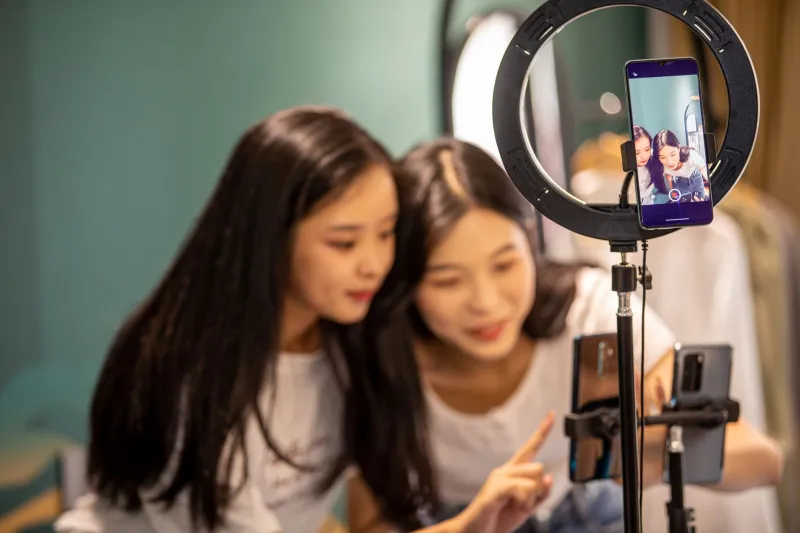
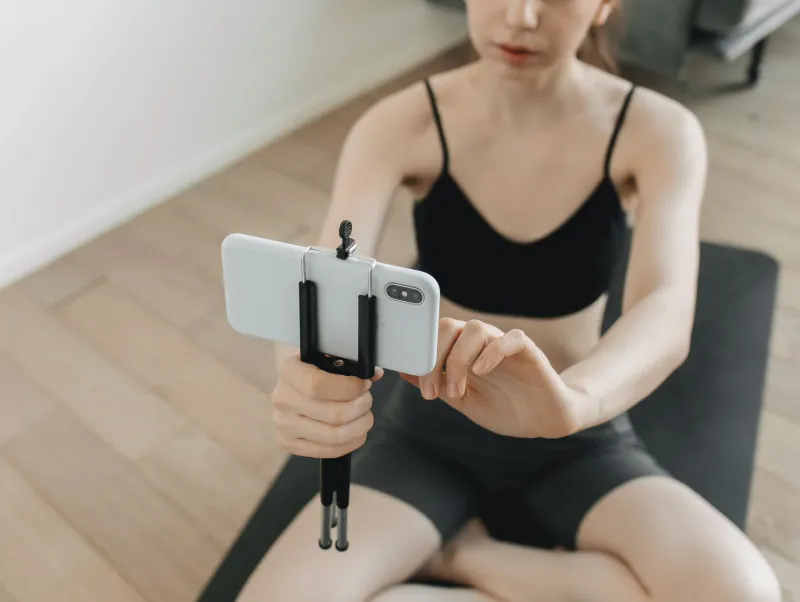
But here's where it gets complicated. Once "being real" became a proven formula for engagement, it stopped being purely spontaneous. Creators started studying what unfiltered looked like — the right amount of vocal fry, the strategic placement of a half-eaten snack in the background, the pause before a vulnerable confession that lands just right. The craft of seeming unscripted became a skill set.
"I spend like an hour deciding which 'casual' video to post," one mid-size lifestyle creator admitted in a now-viral TikTok that was, itself, a pretty polished piece of content. The irony wasn't lost on her audience — it got 2.3 million views.
The Psychology of Performed Vulnerability
Psychologists who study social media behavior point to something called "strategic self-presentation" — the way people carefully manage how they come across online, even when they believe they're being genuine. The catch is that the line between authentic expression and calculated vulnerability is almost impossible to locate, even for the person posting.
When a creator shares a breakdown, are they processing something real? Probably, yes. Are they also aware of the camera angle, the likely comment response, and the algorithmic reward that comes from emotional content? Also yes. Both things can be true at the same time, and that's exactly what makes this so fascinating — and a little unsettling.
For Gen Z specifically, there's an added layer. This is a generation that grew up watching earlier millennials get roasted for being "fake" online. They absorbed the lesson early: audiences can smell inauthenticity. So the pressure to appear genuine is baked into their creative DNA from the start. The result is a kind of hypervigilance around authenticity that, ironically, makes every "real" moment feel slightly rehearsed.
When Celebrities Caught On
It didn't take long for the celebrity machine to absorb this shift. A-listers who once only appeared in carefully managed magazine spreads started posting no-makeup selfies and "just woke up" videos. Some of it lands genuinely — there's something refreshing about seeing a famous face look like a regular person. But a lot of it reads like a PR team discovered the word "relatable" and ran with it.
The audience response is telling. When a celebrity's "candid" moment feels authentic, it generates enormous goodwill. When it doesn't — when the vulnerability feels too polished, too convenient, too on-brand — the backlash is swift and brutal. Gen Z audiences in particular have a finely tuned radar for what they call "performative realness," and they are not shy about calling it out in the comments.
This has created a strange new arms race: brands and publicists trying to engineer authenticity, while audiences get increasingly sophisticated at detecting exactly that kind of engineering.
So What Does 'Real' Even Mean Now?
Here's the honest answer: maybe the binary of "authentic vs. fake" was always too simple. Human beings perform versions of themselves in every social context — at work, at family dinners, on first dates. The idea that a camera somehow erases that performance was always a bit naive.
What Gen Z has done, consciously or not, is collapse the distance between performance and identity. The curated version of themselves is themselves, in a very real sense. The "unfiltered" aesthetic isn't a lie — it's a style, a cultural language, a way of communicating that says: I see you, I'm one of you, and I'm not trying to be untouchable.
The fact that it's crafted doesn't necessarily make it hollow. Art is crafted. Good writing is crafted. The question worth asking isn't whether it's staged — it's whether it still connects.
What This Means for the Rest of Us
For everyday consumers of this content, the authenticity paradox is worth sitting with. It's worth asking why a grainy video makes us trust someone more, and whether that trust is earned or manufactured. It's also worth extending a little grace to creators navigating an impossible expectation — be real, but be consistent; be vulnerable, but be brand-safe; be yourself, but make sure "yourself" performs well on mobile.
The pulse of culture right now is beating somewhere in that tension. And whether you're a creator, a fan, or just someone who spends too much time on their phone at 1 a.m. (no judgment), understanding that tension makes you a sharper, more intentional participant in the whole strange ecosystem.
Real is complicated. Turns out, that's kind of the point.